
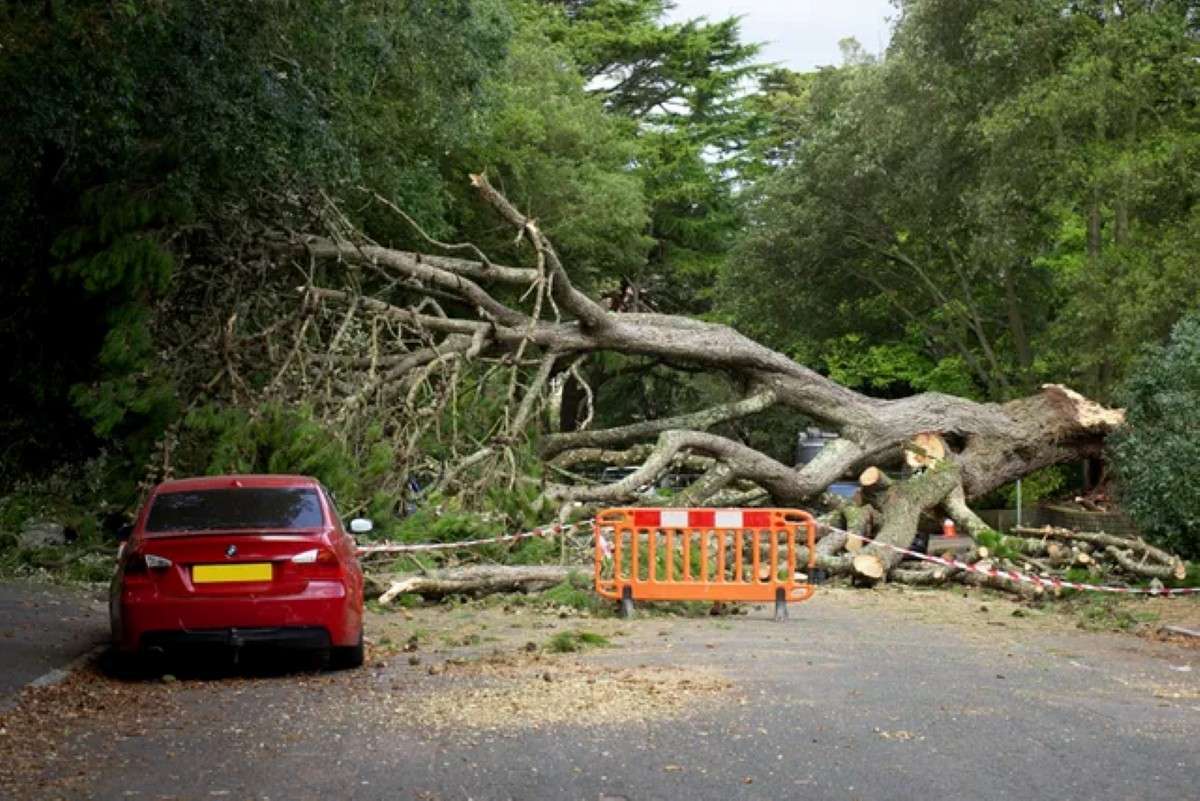
The key is to match the job to the consequences. If failure could damage property, injure someone, or breach council rules, arborist services in Sydney are typically the right starting point.
What is the difference between a qualified arborist and a tree lopper?
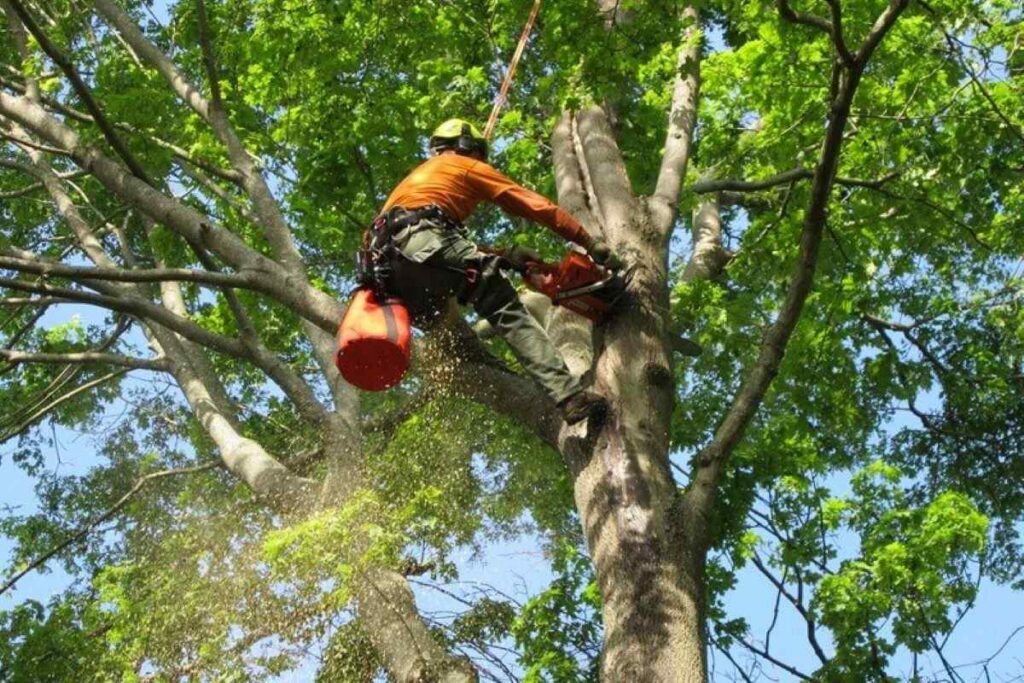
A qualified arborist is trained to assess tree health, structure, and risk, then recommend the least invasive solution. A tree lopper generally focuses on removing branches or reducing a canopy, often without a formal diagnosis of the tree.
That difference matters because poor cuts can invite disease, destabilise limbs, and increase future failure. That is why many homeowners prioritise arborist services in Sydney when safety and liability are on the line.
When are arborist services in Sydney the better choice?
They are usually the better choice when the work involves hazards, uncertainty, or protected trees. That includes large trees, trees close to homes, split trunks, deadwood over driveways, and anything near powerlines.
They are also the safer route when the tree’s condition is unclear. A proper inspection and written advice from arborist services in Sydney can prevent unnecessary removals and reduce the chance of repeat work.
When might a tree lopper be enough?
A tree lopper might be enough for small, straightforward pruning where there is minimal risk and the tree is not protected. Examples include light trimming of small ornamentals well away from structures.
Even then, the quality of pruning matters. If the aim is to avoid regrowth problems, weak branch unions, or stress to the tree, arborist services in Sydney can still be the more cost-effective option over time.
Do they need council approval for tree work in Sydney?
Sometimes, yes. Rules vary by council and can depend on species, trunk diameter, location, or whether the tree is listed as significant. Removing or heavily pruning a protected tree without approval can lead to penalties.
Because of that, many people use arborist services in Sydney to identify whether a permit is needed and to provide supporting documentation. It is often easier to get approval when the application is backed by an arborist report.
How do arborists assess whether a tree is dangerous?
They look for structural defects and signs of decline, then weigh up the likelihood and consequences of failure. Common checks include cracks, cavities, root plate movement, fungal bodies, deadwood loading, and poor previous pruning.
In higher risk cases, they may recommend further testing or staged works. This risk-based approach is a core part of arborist services in Sydney, and it is what often separates professional advice from guesswork.
What tree pruning is considered good practice?
Good pruning is targeted and minimal, removing the right branches for a clear reason such as deadwood, clearance, or structural improvement. Cuts should respect the branch collar, avoid topping, and limit stress on the canopy.
Bad pruning can trigger fast, weak regrowth and create future hazards. That is why arborist services in Sydney often focus on formative pruning and structural outcomes, not just immediate visual change.
Is tree removal always the answer?
No. Removal is sometimes necessary, but many problems can be managed with pruning, cable bracing, or monitoring. A living tree provides shade, cooling, habitat, and privacy, so retaining it can have real value.
A qualified arborist will usually explain options and trade-offs first. This consultative approach is a major reason people choose arborist services in Sydney when they want the safest solution, not the fastest cut.
How can they tell if an arborist is properly qualified?
They can ask what formal training and certifications the contractor holds, and whether they carry appropriate public liability insurance. They can also request recent examples of similar work and clear explanations of the proposed cuts.
A professional should be willing to provide written recommendations where needed. Reputable arborist services in Sydney also tend to describe the “why” behind each cut, rather than offering vague promises.
What should they ask for in a quote?
They should ask what work will be done, how waste will be removed, what access is required, and whether stump grinding is included. They should also ask if traffic management, council permits, or powerline coordination are needed.
A detailed quote reduces surprises and helps compare like for like. The best arborist services in Sydney will spell out scope, timeframes, and constraints in plain language.
So, do they need a qualified arborist or just a tree lopper?
If the job is high risk, near structures, involves a large tree, or may be regulated, they likely need a qualified arborist. If it is small, low risk, and purely cosmetic, a tree lopper may be enough, but quality still matters.
When in doubt, starting with arborist services in Sydney is usually the safer move. A short assessment can prevent avoidable damage, protect the tree’s health, and keep the work compliant.
Related : Tree Stump Removal in Sydney: What the Process Involves and What It Costs