
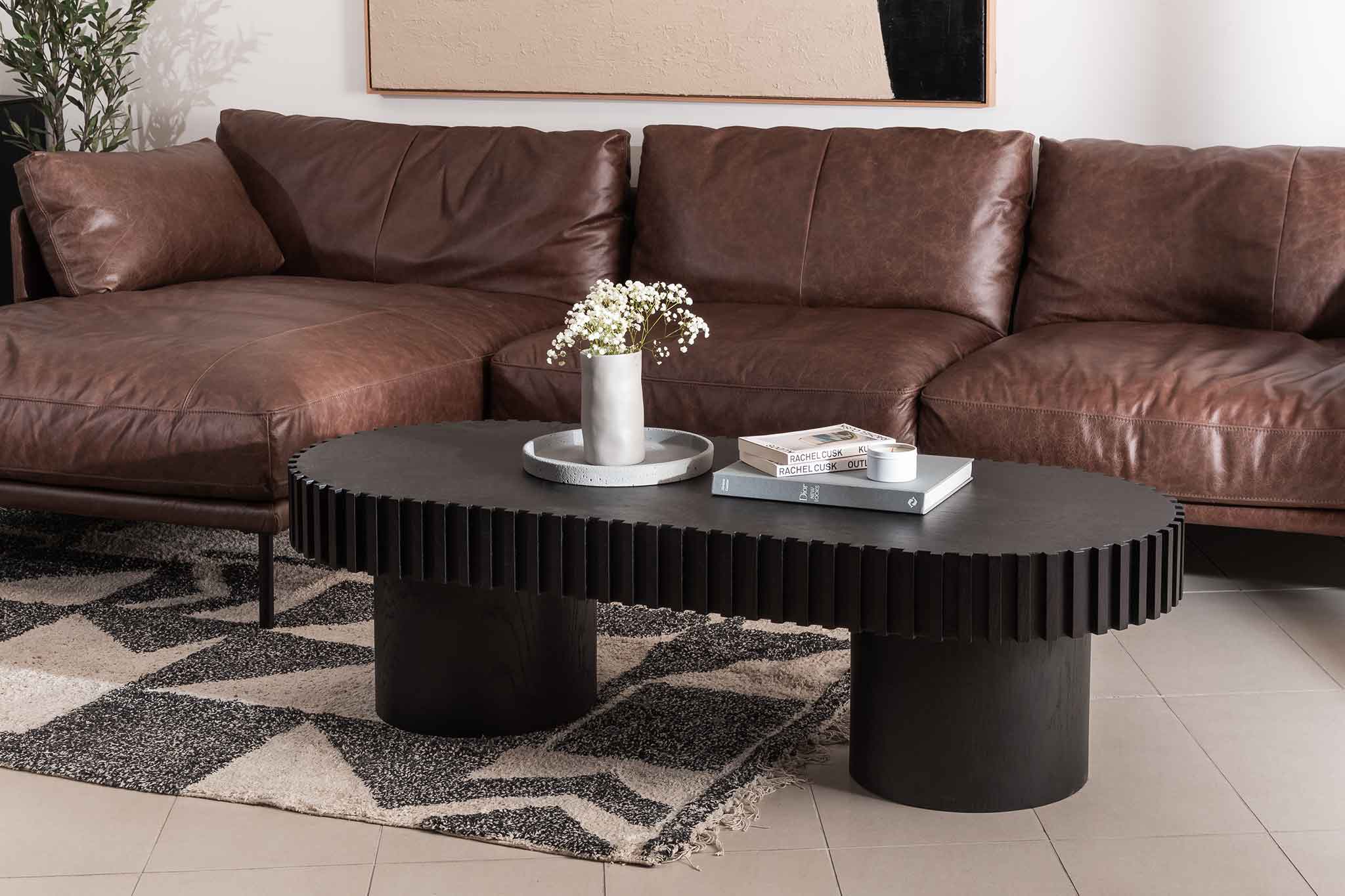
What type of leather are they actually getting?
They should confirm whether it is full-grain, top-grain, genuine leather, or bonded leather. Full-grain and top-grain typically age best and resist peeling, while bonded leather is more likely to crack and flake over time.
When comparing leather chaise sofas, they should also ask if the leather is aniline, semi-aniline, or pigmented. Aniline feels natural but stains easier; pigmented is more protected and family-friendly.
Will the chaise orientation work in their room layout?
They need to choose between a left-facing or right-facing chaise, usually defined by the side the chaise is on when facing the sofa. Getting this wrong can make the room feel blocked and force awkward traffic flow.
They should map door swings, walkways, and sightlines, then measure the full footprint. A chaise often “claims” more usable floor space than expected, especially in smaller living rooms.
Is the frame and cushion build strong enough for daily use?
They should look for kiln-dried hardwood frames, sturdy joinery, and supportive suspension such as sinuous springs or eight-way hand-tied springs. A strong internal build matters more than the leather finish, because structural issues show up fast.
For cushions, high-resilience foam wrapped in down or fiber can balance comfort and shape retention. If the cushions feel great in-store but collapse quickly, the sofa can start looking tired within a year.
Can they live with the maintenance and aging of leather?
Leather will patina, crease, and show wear patterns, especially on the chaise section where legs rest most. That aging can look premium, but they should like the “lived-in” look, not expect it to stay uniform.
They should plan for basic care: regular dusting, occasional conditioning, and quick cleanup of spills. If they have pets, they should expect claw marks and consider more protected, pigmented leather for better scratch resistance.
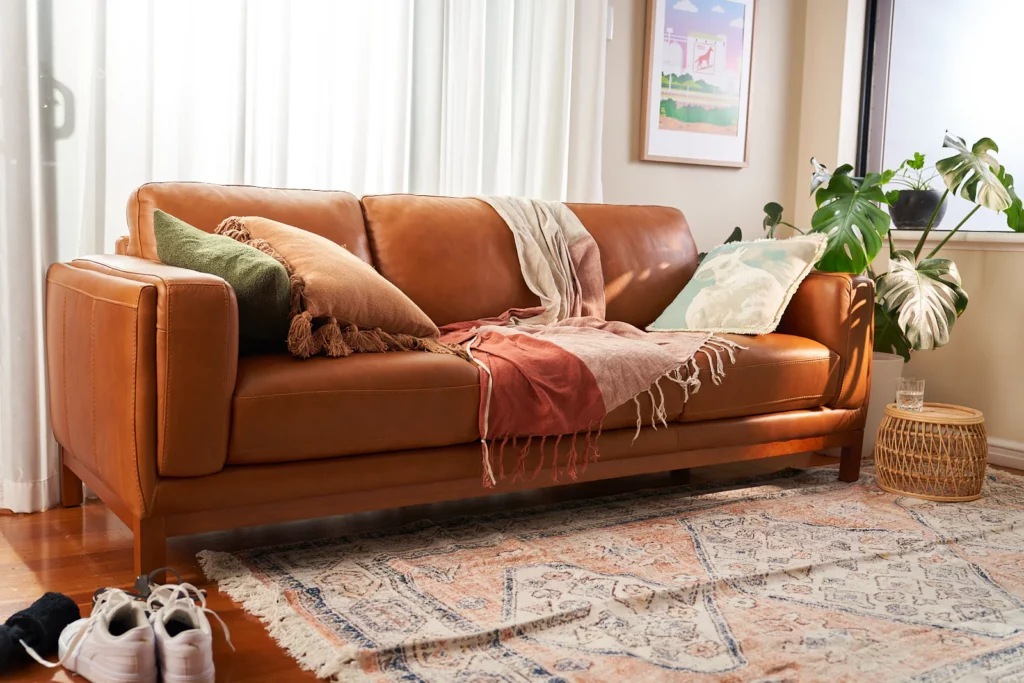
Are size, comfort, and delivery logistics fully checked?
They should test real lounging positions, not just upright sitting. Chaise depth, seat height, and back support can feel very different across brands, and comfort is often the main reason they choose a chaise in the first place.
They also need to measure entry points: doorways, elevators, stairwells, and tight turns. A leather chaise sofa can be heavy and inflexible, so they should confirm whether it ships in sections and whether delivery includes room-of-choice placement and packaging removal.
Final thought: are they buying for looks, or for how they will actually use it?
They will get the best value when the leather type, chaise orientation, build quality, maintenance expectations, and delivery realities all match their lifestyle. If even one of those is off, the sofa can become a daily annoyance instead of the relaxing centerpiece they intended.
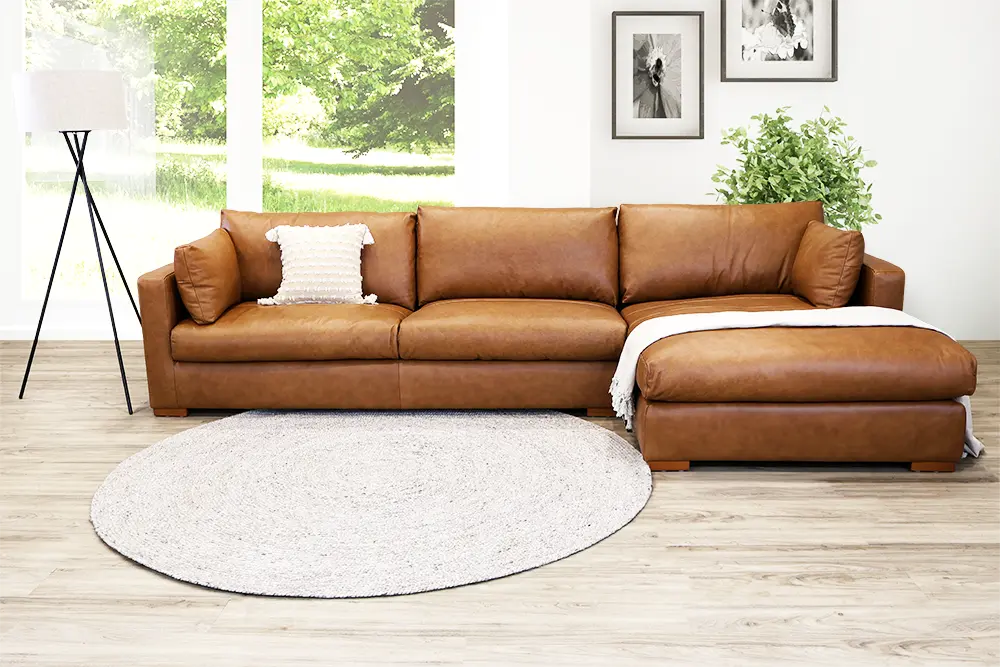
FAQs (Frequently Asked Questions)
What types of leather are best for a durable and luxurious chaise sofa?
When choosing a leather chaise sofa, confirm whether the leather is full-grain, top-grain, genuine, or bonded. Full-grain and top-grain leathers typically age best and resist peeling, offering long-term durability. Additionally, consider if the leather is aniline, semi-aniline, or pigmented. Aniline leather feels natural but stains more easily, while pigmented leather provides better protection and is more family-friendly.
How do I determine the correct chaise orientation for my living room layout?
Chaise orientation is usually defined by the side the chaise is on when facing the sofa—left-facing or right-facing. To ensure it fits your room well, map out door swings, walkways, and sightlines, then measure the full footprint of the sofa. Choosing the wrong orientation can block pathways and disrupt traffic flow, especially in smaller spaces where a chaise claims more usable floor space than expected.
What should I look for in the frame and cushion construction of a leather chaise sofa?
Look for a sturdy frame made from kiln-dried hardwood with strong joinery and supportive suspension systems like sinuous springs or eight-way hand-tied springs. These structural elements are crucial as issues show up quickly regardless of leather finish. For cushions, high-resilience foam wrapped in down or fiber offers a good balance of comfort and shape retention. Avoid cushions that feel great initially but collapse quickly to maintain long-term comfort and appearance.
How much maintenance does a leather chaise sofa require, and how does it age over time?
Leather will naturally patina, crease, and develop wear patterns over time—especially on the chaise section where legs rest most frequently. This aging can add to its premium look if you appreciate a lived-in style rather than expecting uniformity. Maintenance includes regular dusting, occasional conditioning, and prompt spill cleanup. If you have pets, expect potential claw marks; opting for pigmented leather can improve scratch resistance.
What size considerations and delivery logistics should I check before buying a leather chaise sofa?
Test lounging positions beyond just sitting upright to assess comfort factors like chaise depth, seat height, and back support which vary across brands. Measure entry points including doorways, elevators, stairwells, and tight corners since leather chaises can be heavy and inflexible. Confirm whether the sofa ships in sections and if delivery services include placing it in your desired room along with packaging removal.
Should I prioritize appearance or practical use when purchasing a leather chaise sofa?
For best value, ensure that leather type, chaise orientation, build quality, maintenance needs, and delivery realities align with your lifestyle. A mismatch in any area can turn what should be a relaxing centerpiece into a daily annoyance. Balancing looks with how you will actually use the sofa ensures lasting satisfaction and comfort.
See Also: Modular sofas Sydney: why flexible seating is trending